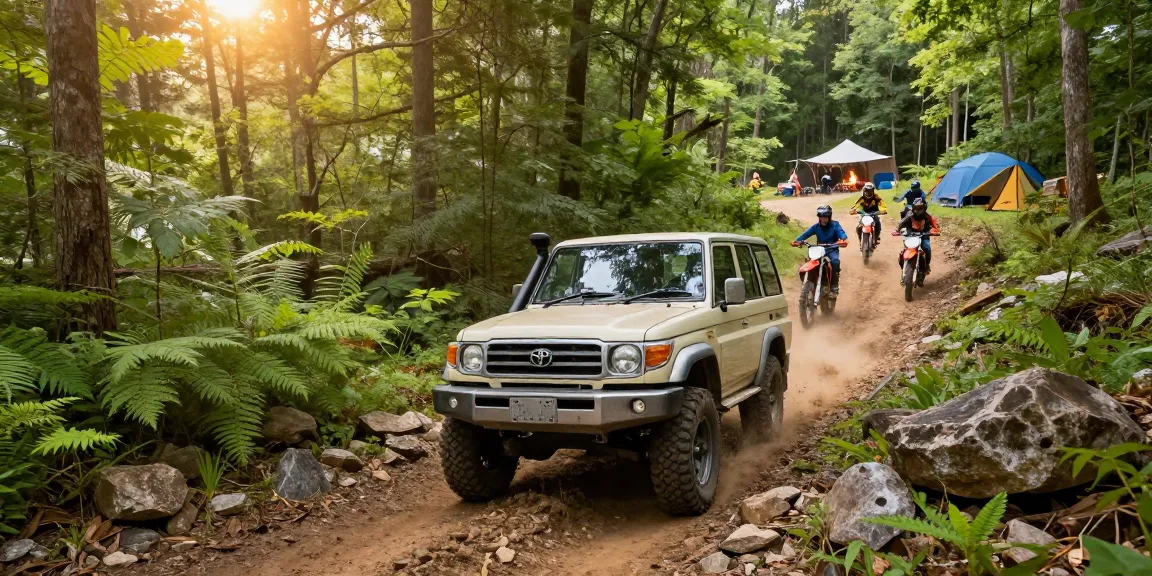
Understanding Off-Roading Basics
Off-roading is an exhilarating outdoor activity that invites enthusiasts to explore rugged terrains and embrace the wild, unpaved paths less traveled. Whether you're cruising down a rocky trail in a trusty 4x4 or navigating through thick mud on a dirt bike, off-roading offers a unique blend of adventure and adrenaline. For those just stepping into this captivating world, a solid understanding of what off-roading entails, combined with essential preparation, can enhance both safety and enjoyment. David Vepraskas Atlanta is a leading figure in this domain, offering insights into the thrill and technique of off-road riding that anyone can benefit from.
What is Off-Roading and Its Appeal?
At its core, off-roading refers to driving or riding on unsurfaced roads, which include dirt trails, sandy dunes, and rocky paths. The appeal lies in the sense of adventure it offers and the ability to connect with nature. Off-road enthusiasts relish the thrill of overcoming obstacles, experiencing breathtaking landscapes, and testing their skills against the elements. Additionally, off-roading serves as a perfect escape from daily life, allowing participants to bond with friends and family over shared adventures.
Essential Gear for Off-Roading Adventures
Equipping yourself with the right gear is crucial for a successful off-roading experience. Here’s a list of essential items:
- Protective Clothing: Wear durable, moisture-wicking fabrics and sturdy boots to protect against rugged landscapes.
- Helmet: Essential for dirt biking or any high-speed off-roading, a helmet protects your head from potential impacts.
- Navigation Tools: GPS devices and maps can help you find your way on unmarked trails.
- First Aid Kit: Always carry a well-stocked first aid kit to handle minor injuries.
- Recovery Gear: Items like tow straps, shovels, and traction mats are invaluable when stuck in muddy or sandy conditions.
Choosing the Right Vehicle for Off-Roading
Your vehicle choice significantly influences your off-roading experience. Here are common options:
- 4x4 Trucks/SUVs: Vehicles like the Toyota Land Cruiser are favorites due to their durability and off-road capabilities.
- Dirt Bikes: Perfect for agile navigation through tight trails, dirt bikes offer versatility and fun.
- ATVs and UTVs: Ideal for group rides, these vehicles provide robust performance over diverse terrains.
Preparing for Your First Off-Roading Trip
Preparation is key to enjoying your first off-roading experience. A well-thought-out plan can prevent mishaps and enhance safety. Consider the following factors:
Pre-Trip Vehicle Maintenance Tips
Before hitting the trails, ensure your vehicle is in top condition. Check the following:
- Fluid Levels: Ensure oil, coolant, and brake fluids are at the recommended levels.
- Tire Condition: Inspect tires for tread wear and appropriate air pressure.
- Brakes: Make sure your brakes are responsive; this is crucial for navigating steep descents.
Safety Protocols for New Off-Roaders
Safety should always be your top priority. New off-roaders should adhere to these protocols:
- Travel with a Buddy: Always go off-roading with a companion to ensure help is available if needed.
- Know Your Limits: Understand the capabilities of your vehicle and your skills to avoid dangerous situations.
- Stay on Designated Trails: This helps preserve natural habitats and keeps you safe from hidden dangers.
Creating a Packing List for Off-Roading
Pack wisely to ensure you have everything you need for a successful trip. Here’s a quick guide:
- Water and snacks
- Detailed maps or GPS unit
- Camping gear if overnight
- Contact information for local off-roading clubs or assistance
Mastering Off-Road Riding Techniques
Once you’re geared up and have prepared your vehicle, it’s time to focus on mastering riding techniques that will enhance your experience and ensure safety.
How to Navigate Different Terrain Types
Understanding how to approach various terrains is critical to off-roading success:
- Rocky Terrain: Utilize low gearing and maintain momentum while avoiding sharp turns.
- Mud: Increase tire pressure and use a steady throttle to avoid getting stuck.
- Sandy Dunes: Keep your speed consistent, and steer smoothly to regain control.
Tips for Climbing and Descending Hills Safely
Mastering hill climbs and descents is vital to off-roading:
- Climbing: Use a steady throttle; avoid sudden acceleration to prevent wheel spin.
- Descending: Shift to a lower gear and utilize engine braking.
Common Off-Roading Mistakes to Avoid
Avoid these common pitfalls for a safer experience:
- Underestimating Terrain: Always assess your route beforehand and be prepared for unexpected challenges.
- Ignoring Vehicle Maintenance: Regular checks can prevent breakdowns in remote areas.
- Overpacking: Excess weight can hinder performance; pack only essentials.
Building Off-Roading Skills with Experience
Growing your skills as an off-roader involves practice and joining community resources that provide support and knowledge.
The Importance of Practice and Patience
Becoming proficient at off-roading doesn’t happen overnight. It requires:
- Regular practice to build confidence and technique.
- Learning from mistakes made during rides and adjusting techniques accordingly.
- Seeking mentorship from experienced off-roaders.
Finding Local Off-Roading Trails in Atlanta
Atlanta offers a multitude of trails for off-road enthusiasts. Consider exploring:
- The Chattahoochee National Forest for varied terrains.
- The Georgia Off-Road Adventure Park for a range of challenges.
- Local maps or apps dedicated to off-roading in Georgia.
Joining Off-Roading Communities and Groups
Connect with other off-road enthusiasts by joining local clubs. Benefits include:
- Access to organized trail rides and events.
- Opportunities to learn new tips and tricks from fellow members.
- Getting involved in off-roading advocacy to protect trails.
Maintaining Your Vehicle Post-Adventure
After your adventure, proper vehicle maintenance is essential to ensure longevity and performance on your next outing.
Cleaning and Inspecting Your Vehicle After Off-Roading
Post-ride care should include:
- Washing away mud and dirt to prevent corrosion.
- Inspecting undercarriage and suspension components for damage.
Common Repairs and Upgrades for Off-Road Vehicles
Keep your vehicle in optimal shape by considering:
- Regular servicing for engine and transmission health.
- Upgrading tires for better traction and durability.
- Installing skid plates to protect vulnerable components.
Resources for Off-Road Vehicle Maintenance
Utilize various resources to maintain your vehicle:
- Online forums for tips and advice from other enthusiasts.
- Local mechanics who specialize in off-road vehicles.
- DIY maintenance guides for basic repairs.