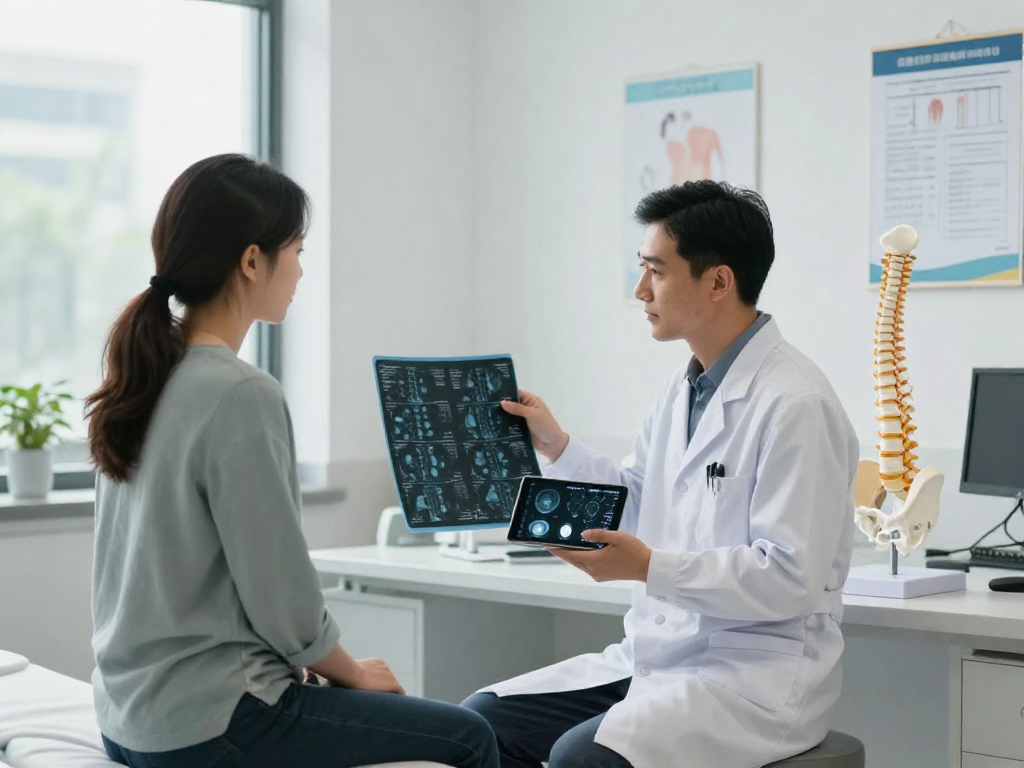
Understanding Herniated Discs and the Need for Surgery
Herniated discs, commonly referred to as "bel fıtığı" in Turkish, pose a significant health challenge that can lead to debilitating pain and a range of neurological symptoms. This condition arises when the soft cushioning between the vertebrae—the discs—herniate or bulge out, potentially compressing adjacent spinal nerves. Understanding when surgery is necessary, particularly in relation to this diagnosis, is crucial for patients dealing with chronic pain and mobility issues.
For comprehensive insights into Bel fıtığı ameliyatı, patients should be well-informed about the symptoms, diagnostic criteria, and treatment pathways available for their condition.
What is a Herniated Disc?
A herniated disc occurs when the nucleus of the disc protrudes through a tear in the outer layer, often due to degeneration over time or acute injury. This protrusion can lead to inflammation and nerve compression, resulting in pain that may radiate down the limbs. The condition is prevalent among individuals aged 30 to 50 and can severely impact daily activities and quality of life.
Common Symptoms Indicating Surgery
Patients may experience a wide range of symptoms, including:
- Severe localized pain in the back or neck
- Pain that radiates down the legs (sciatica) or arms
- Numbness or tingling in the extremities
- Muscle weakness, particularly in the lower limbs
- Loss of bladder or bowel control in severe cases
When these symptoms persist despite conservative treatments, surgical intervention may be warranted.
When is Bel Fıtığı Ameliyatı Necessary?
Surgery is typically considered when non-invasive treatments have failed to alleviate symptoms after a period of 6 to 12 weeks. Specific indicators for surgical intervention include:
- Progressive neurological deficits
- Severe and persistent pain not managed by medication
- Symptoms of nerve compression such as leg weakness or bowel/bladder dysfunction
- Cauda Equina Syndrome, which is a medical emergency requiring immediate attention
The decision to proceed with surgery should involve a thorough discussion between the patient and their healthcare provider, considering risks, benefits, and potential outcomes.
Evaluating Treatment Options Before Surgery
Before opting for surgical solutions, it is essential for patients to explore all available treatment options. A step-by-step approach often helps in managing symptoms effectively while prolonging the need for surgery.
Initial Non-Surgical Treatments
The primary goal of initial treatment is to manage pain and improve function through non-invasive methods. This can include:
- Physical therapy to strengthen muscles and improve flexibility
- Medications such as NSAIDs (Non-Steroidal Anti-Inflammatory Drugs) to control inflammation and pain
- Corticosteroid injections for temporary relief of severe pain
- Activity modification and ergonomic adjustments to reduce strain on the back
These conservative measures should be the first line of defense against herniated disc symptoms.
Criteria for Surgical Intervention
When evaluating whether surgery is necessary, healthcare professionals consider various factors, including:
- The severity and duration of symptoms
- Specific neurological findings during physical examination
- Responses to non-surgical treatments
- The patient's overall health and physical condition
Ultimately, if conservative approaches fail, surgery becomes a viable option to relieve pressure on the affected nerves.
Importance of Patient Assessment
A comprehensive assessment is critical for determining the appropriate treatment pathway. This should include:
- Imaging studies such as MRI to visualize the extent of the disc herniation
- Nerve conduction studies to evaluate nerve function
- A detailed medical history to identify any underlying health issues
Through meticulous evaluation, clinicians can tailor an effective and personalized management plan, significantly enhancing patient outcomes.
Types of Surgical Procedures for Herniated Discs
When surgical intervention is necessary, various procedures are available, each with its own advantages and indications.
Open Surgery vs. Minimally Invasive Techniques
Open surgery involves making larger incisions to access the spine directly, while minimally invasive techniques, such as microdiscectomy, utilize smaller incisions and specialized instruments. Minimally invasive procedures have become increasingly popular due to their reduced recovery times and complications.
Benefits of Microdiscectomy
Microdiscectomy is a minimally invasive surgical procedure that entails:
- Removing herniated disc material through a small incision.
- Using high-powered magnification to minimize damage to surrounding tissues.
- Providing quicker recovery times and less postoperative pain.
This technique has shown excellent outcomes in improving function and reducing pain in patients with herniated discs.
Understanding Endoscopic Disc Surgery
Endoscopic disc surgery is another innovative approach that involves the use of an endoscope to visualize the surgical site. This method allows for:
- Improved visualization of the impacted area without large incisions.
- Reduced blood loss and lower infection risk.
- Faster recovery and minimal scarring.
The advancement of these techniques has revolutionized the field, offering patients effective solutions with fewer complications.
Recovery Process Post-Surgery
Understanding the recovery process is crucial for patients undergoing surgery for a herniated disc. It sets expectations and aids in better outcomes.
What to Expect After Bel Fıtığı Ameliyatı
Postoperative recovery can vary, but most patients can expect immediate pain relief following surgery. Common postoperative experiences include:
- Soreness at the incision site
- Temporary muscle weakness
- Gradual return to normal activities with physical therapy
Following discharge, regular follow-ups are necessary to monitor healing.
Rehabilitation and Physical Therapy Guidelines
Rehabilitation plays a vital role in recovery. A typical rehab program may include:
- Physical therapy to regain strength and flexibility
- Guided exercises to promote spinal stability
- Education on posture and body mechanics to prevent future injuries
Consistent attendance in rehabilitation sessions significantly enhances recovery time and overall function.
Signs of Complications to Watch For
While the risk of complications is relatively low, patients should be vigilant for any unusual symptoms that may indicate issues, such as:
- Increased pain or swelling at the surgical site
- Fever or chills, which might indicate infection
- Neurological changes such as increased weakness or numbness
Prompt communication with the healthcare provider is essential if complications arise.
Future Trends in Herniated Disc Treatments
The field of spine surgery is rapidly evolving, with numerous advancements on the horizon that promise to enhance patient care and treatment outcomes.
Advancements in Surgical Technology
Innovations in surgical technology are making procedures safer and more effective. These may include:
- Robotic-assisted surgeries for greater precision
- Improved imaging techniques for better diagnosis and planning
- Biologic therapies aimed at enhancing recovery and healing
Such advancements will likely improve the efficacy of surgical interventions for patients with herniated discs.
Emerging Non-Invasive Therapies
In addition to surgical options, there is a push for developing non-invasive therapies such as:
- Gene therapy targeted at disc regeneration
- Regenerative medicine approaches using stem cells
- Advanced physical therapy techniques to treat pain without surgery
These alternatives may provide different pathways for patients to avoid invasive surgery altogether.
Predictions for Surgical Success Rates in 2026
As surgical techniques continue to improve, predictions indicate higher success rates for herniated disc surgeries in the coming years. With an emphasis on minimally invasive approaches, enhanced patient selection, and personalized treatment plans, patients can expect:
- Lower rates of recurrence
- Improved long-term outcomes
- Faster recovery and return to daily activities
These anticipated improvements highlight the importance of ongoing research and adaptation in surgical best practices.
What are the common risks associated with bel fıtığı ameliyatı?
All surgical procedures carry inherent risks. Common complications associated with herniated disc surgery may include:
- Infection at the surgical site
- Bleeding or hematoma formation
- Persistent pain despite surgery
- Neurological deficits due to nerve damage
Patients must engage in thorough discussions with their surgeons regarding these risks prior to proceeding with surgery.
How long is the recovery time after bel fıtığı ameliyatı?
Recovery times can vary significantly based on the surgical approach used. Generally, patients may expect:
- Minimal invasive surgeries to allow return to light activities within 1-2 weeks
- Full recovery may take 6-12 weeks based on individual health factors
Following the surgeon's recommendations is crucial for a successful recovery.
What lifestyle changes can support recovery after surgery?
After surgery, certain lifestyle modifications can promote healing and prevent future issues:
- Maintaining an appropriate weight to reduce spinal stress
- Engaging in regular low-impact exercise to keep the spine healthy
- Practicing good posture during daily activities
Incorporating these changes can lead to a healthier spine and reduced risk of recurrence.
When should I consult a surgeon for bel fıtığı?
Patients should consider seeking specialized care if they experience:
- Persistent symptoms despite conservative treatment
- New neurological findings or functional impairments
- Severe changes in pain levels or quality of life
Consultation with a spine specialist can provide the necessary evaluations and treatment options.
What are the long-term outcomes of bel fıtığı ameliyatı?
Long-term outcomes for patients who undergo surgery for herniated discs are generally positive. Many patients report:
- Significant reductions in pain and improved mobility
- Enhanced quality of life and ability to engage in activities
- Lower likelihood of recurrent symptoms with adherence to rehabilitation
While individual results may vary, the prognostic outlook remains encouraging with modern surgical techniques.. Additionally, Bel fıtığı ameliyatı provides further details.