Understanding the Attractive Test: What It Is and How It Works
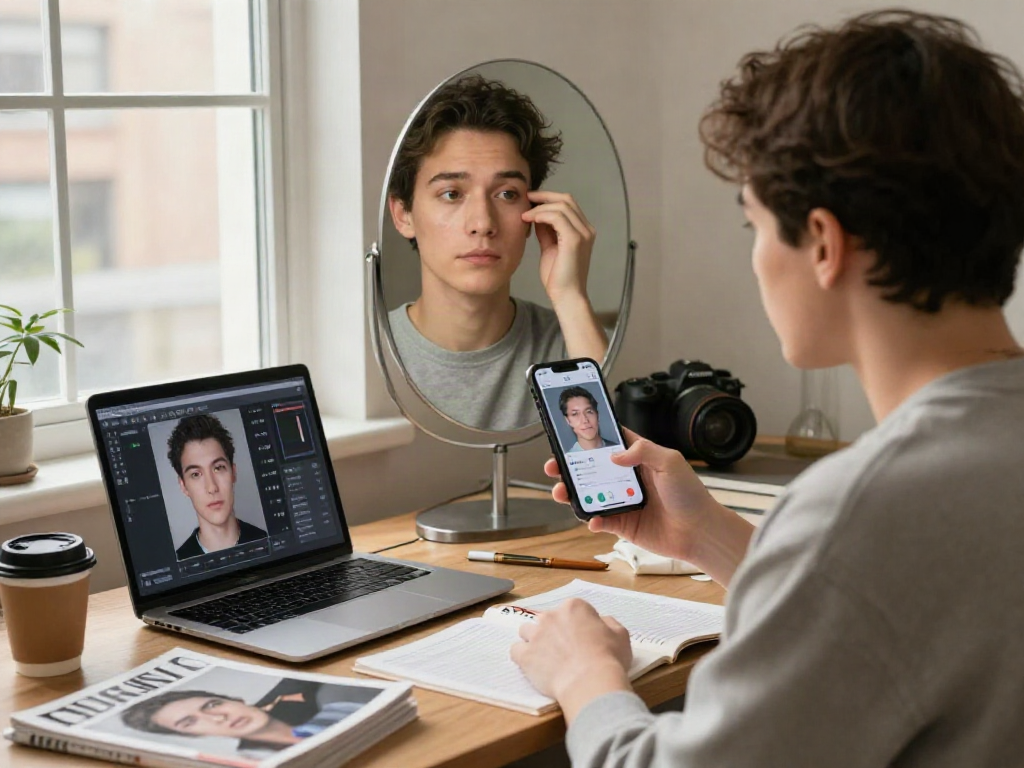
The concept of an attractive test has gained notable traction in recent years as technology evolves and more people seek to understand their physical appeal. Designed to measure facial attractiveness through various parameters, these tests utilize artificial intelligence to analyze key facial features. The attractive test is often touted for its ease of use, allowing individuals to upload a photo and receive an instant score based on biological and aesthetic benchmarks. Knowing how these tests work can demystify the process and enlighten users about what factors contribute to perceived beauty.
Definition of the Attractive Test
An attractive test is essentially a tool that employs AI algorithms to evaluate facial features against established beauty standards. By analyzing elements such as symmetry, skin quality, and facial proportions, the test generates an attractiveness score on a predetermined scale. Unlike subjective appraisals based on personal bias, these tests offer a more quantifiable approach to assessing physical appearance. However, it's essential to recognize that these tests are not infallible and merely provide insight based on certain criteria.
Importance of Facial Attractiveness in Social Contexts
Facial attractiveness plays a significant role in social interactions and can influence numerous aspects of life, including dating, career opportunities, and social acceptance. Research indicates that people often make quick judgments about others' personalities, intelligence, and capabilities based on their looks. While this reality can be disheartening, understanding the nuances of attractiveness can empower individuals to leverage their features more effectively in social and professional settings.
Popular Methods for Measuring Attractiveness
There are various methods to assess facial attractiveness, ranging from subjective human ratings to advanced AI systems. Below are some popular approaches:
- Facial Symmetry Analysis: This method evaluates how evenly facial features are arranged. Studies show high symmetry often correlates with higher attractiveness.
- Golden Ratio: The ancient mathematical ratio of 1:1.618 is deemed aesthetically pleasing. Beauty tests often measure facial proportions against this ratio.
- AI-Powered Assessments: Utilizing machine learning, these tools analyze hundreds of facial landmarks and provide statistical evaluations of beauty, often tailored by demographic standards.
Common Misconceptions about the Attractive Test
As with any technology, misconceptions abound regarding the attractive test. Understanding these can help users set realistic expectations and gain a more accurate perspective on results.
Debunking Myths Surrounding AI Attractiveness Testing
One of the most prevalent myths is that AI tests can offer definitive evaluations of beauty. While they provide data-driven insights, these tools cannot fully encapsulate the complexities of human attractiveness, which includes personal charm, charisma, and context-based appeal. Additionally, many believe that a high score will guarantee success in social situations, which is often not the case. Physical attractiveness is just one piece of a broader puzzle involving personality and social skills.
Understanding Subjectivity in Attractiveness
Beauty is inherently subjective, influenced by myriad factors including culture, personal experiences, and societal standards. What one person perceives as attractive, another may not, making it crucial to approach test results with a critical mindset. Context also matters heavily; an individual may be considered attractive in one social setting but less so in another.
Consequences of Misinterpreting Results
Misinterpreting the results of an attractiveness test can lead to issues such as diminished self-esteem or misguided self-perception. Users must remember that these scores are not definitive assessments of worth or capability. Engaging with these tests should be about self-discovery rather than self-judgment.
Factors Influencing the Outcomes of Attractive Tests
The relationship between facial features and attractiveness is complex, influenced by various biological, psychological, and cultural factors.
Biological and Psychological Aspects
From a biological standpoint, traits like facial symmetry are associated with good health and genetic fitness, thus contributing to perceptions of beauty. Psychologically, the concepts of attractiveness are also shaped by early experiences and societal conditioning, making individual perceptions unique.
Cultural Influences on Beauty Standards
Beauty ideals greatly vary across different cultures, leading to diverse standards of attractiveness. For instance, while some cultures may prioritize facial symmetry, others might value unique facial features that represent heritage. This ethnic diversity enriches the understanding of beauty and stresses the importance of relativity in testing.
Impact of Social Media on Perception of Attractiveness
Social media platforms play a powerful role in shaping contemporary beauty standards. Influencers and celebrities often set trends that redefine what is considered attractive, causing shifts in public perception. Moreover, the abundance of filter technologies can create unrealistic portrayals that influence users' self-image and perceptions towards beauty.
Practical Applications of the Attractive Test
While attractiveness tests may seem frivolous to some, they can have practical applications in various domains of life, particularly in personal branding and dating.
Using Attractiveness Insights for Personal Branding
For individuals looking to enhance their personal or professional brand, understanding attractiveness insights can inform decisions about personal grooming, attire, and even social media presentation. A well-rounded self-presentation can help leverage one's attractiveness in both personal and business contexts.
Enhancing Online Dating Profiles with AI Tools
In the realm of online dating, utilizing an attractiveness test can be a strategic move. By analyzing photos and providing feedback, users can tailor their profiles for maximum appeal, thus improving their chances of making meaningful connections.
Leveraging Beauty Scores in Marketing Strategies
Businesses can also benefit from attractiveness tests, particularly in industries related to fashion, beauty, and lifestyle. Understanding consumer perceptions of attractiveness can help brands fine-tune their marketing strategies, making them more aligned with consumer expectations and visual appeal.
Future Trends in Attractiveness Testing Technology
The future of attractiveness testing is poised for exciting developments, especially as AI technology continues to advance.
Innovations in AI and Image Analysis
Future advancements in AI could lead to more sophisticated models that consider not just facial features but also emotional expressions and context. This can enrich the understanding of attractiveness beyond mere aesthetics.
Ethical Considerations in Attractiveness Testing
As the technology advances, ethical considerations related to privacy, consent, and misuse of data become paramount. It’s crucial for developers to implement safeguards that protect users while ensuring the responsible use of AI in attractiveness testing.
Predictions for 2026 and Beyond in Social Media Dynamics
As we look ahead, the integration of AI in social media platforms may redefine interactions, with users increasingly relying on technology to assess attractiveness for personal and professional purposes. This trend, however, will necessitate an ongoing conversation about mental health and body image, highlighting the importance of a balanced perspective on beauty.
What is the science behind attractiveness?
The science of attractiveness encompasses various fields including psychology, sociology, and biology. Researchers study factors such as symmetry, averageness, and cultural influences to understand what makes a face appealing. These insights provide a backdrop for the algorithms used in attractiveness tests.
Can AI accurately assess human beauty?
While AI can analyze certain aspects of beauty effectively, it lacks the nuanced understanding that humans possess regarding charm and personality. The accuracy of AI assessments will continue to improve, but they will always be limited by the algorithms they employ.
Are attractiveness tests harmful to self-esteem?
Attractiveness tests can be detrimental if individuals place too much weight on their scores. It's essential that users approach these tests with a healthy mindset, recognizing them as tools for self-exploration rather than definitive value assessments.
How does culture influence attractiveness standards?
Cultural influences shape what is deemed attractive through traditions, media representation, and societal norms. Consequently, beauty standards evolve over time, reflecting the diversity of human experiences across the globe.
What are future applications of attractiveness tests in society?
Future applications could extend into fields such as psychology, marketing, and even law enforcement. For instance, understanding perceptions of attractiveness could help in educational campaigns that promote self-acceptance and diversity.