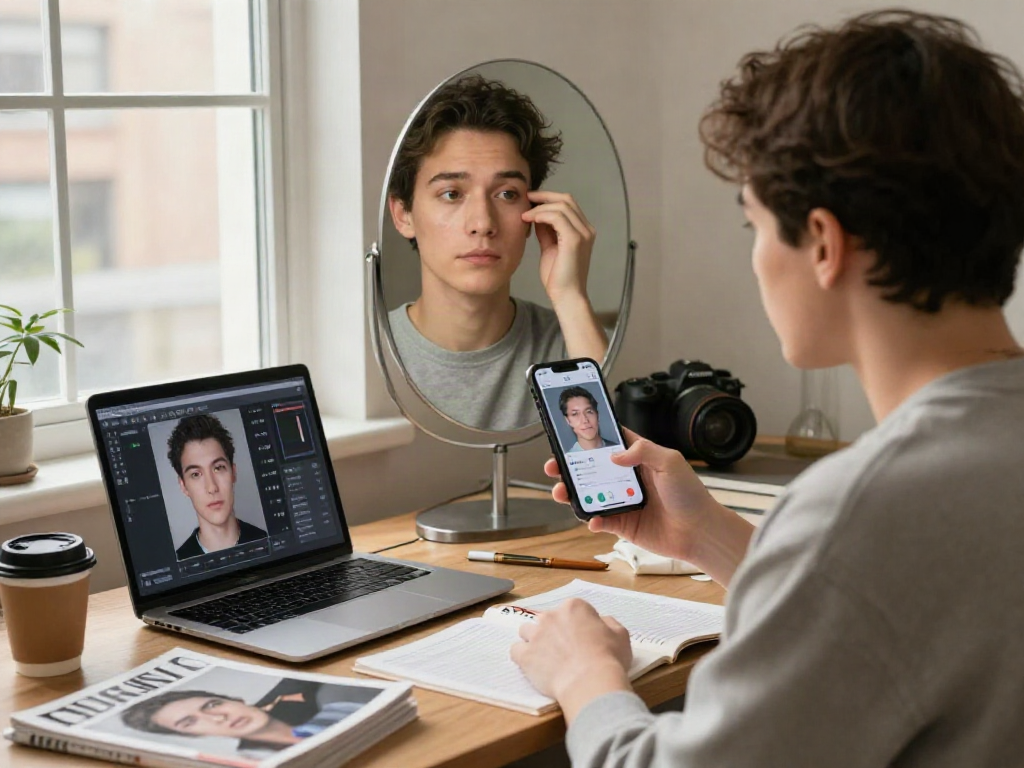
Understanding the Concept of Age Estimation
Age estimation has become a fascinating intersection of technology, biology, and cultural perception. With the advent of artificial intelligence and image processing, tools that estimate age based on facial features are more accessible than ever. Users are often curious about how old they actually look compared to their biological age. Such inquiries can be driven by various factors, including social media engagement and personal curiosity. For those intrigued by exploring these options, how old do i look offers insightful resources and tools.
What Does It Mean to Estimate Age?
Estimating age typically refers to the process of determining a person's apparent age based on various visual cues, primarily facial features. This can encompass evaluating skin texture, wrinkles, bone structure, and overall facial symmetry. Interestingly, age estimation can vary significantly from an individual's chronological age, with factors such as lifestyle, environment, and genetics playing substantial roles.
The Science Behind Facial Age Recognition
Facial age recognition is rooted in a combination of biological science and machine learning. Researchers have identified key facial markers such as the depth of wrinkles, the elasticity of skin, and pigmentation changes that correlate with various age groups. AI algorithms analyze thousands of facial images to establish patterns that can effectively distinguish different age ranges. This scientific rigor is what makes modern age estimation tools remarkably precise.
Technology Evolution in Age Estimation
The technology behind age estimation has evolved dramatically over the past few years. Early tools primarily relied on manual input and were less reliable, while today's AI-driven applications leverage deep learning techniques that continuously improve their accuracy. These advancements have democratized access to age estimation technology, making it a common feature on several platforms, from personal health apps to social media filters.
How AI Tools Estimate Your Age
Artificial Intelligence tools estimate age by employing sophisticated algorithms that dissect various aspects of facial features. These tools utilize deep learning to analyze an image, determine key attributes, and provide users with an estimated age based on their facial characteristics.
Analyzing Facial Features for Accurate Predictions
AI models are trained on vast datasets containing labeled images of faces across different ages. By examining features like the following, AI can make accurate predictions:
- Skin Texture: Smooth skin is often associated with youth, while wrinkles and rough textures indicate aging.
- Facial Contours: The loss of fat and muscle tone can cause the face to sag, presenting older age characteristics.
- Coloration: Changes in skin tone, such as greyness or pigmentation, can influence age perception.
Popular Apps and Tools for Age Estimation
Numerous applications provide users the ability to see how old they look with just a photo. Some of the most popular include:
- FaceAge.ai: An innovative platform that uses AI to analyze photos and estimate facial age.
- Fotor: A free online age guesser that requires no signup and provides instant results.
- BeautyPlus: An app that combines beauty enhancement with age estimation features.
Pros and Cons of Using AI for Age Assessment
While there are many benefits to using AI for age estimation, there are also considerations to keep in mind:
- Pros:
- Cons:
Common Perceptions and Misconceptions About Age Estimation
Age estimation is often surrounded by myths and perceptions that can skew public understanding of technology's capabilities. It's essential to address these misconceptions to approach the technology with an informed mindset.
Understanding Subjectivity in Age Perception
Perceptions of age can be highly subjective, influenced by cultural standards and individual biases. What one person perceives as youthful may not align with another's views, making age estimation a complex interaction of psychology and technology.
Deconstructing Myths Around AI Age Guessing
One prominent myth is that AI can provide a perfectly accurate age estimate. In reality, while AI can analyze features with statistical relevance, it cannot account for all variables affecting physical appearance. Users should approach these tools with an understanding of their limitations.
How Cultural Views Affect Age Perception
Cultural contexts can significantly influence perceptions of age. For example, in some cultures, looking youthful is celebrated, while in others, signs of aging signify wisdom and respect. Such disparities highlight the importance of understanding the audience's cultural framework when presenting age estimation technologies.
Practical Uses of Age Estimation Technology
Age estimation technology has a wide array of practical applications that extend beyond personal curiosity. Here’s how different industries are leveraging this technology.
Applications in the Beauty and Wellness Industry
The beauty and wellness industry has embraced age estimation as a marketing and product development tool. By understanding their target demographic's perceived age, brands can tailor products that appeal to their audience's unique needs, leading to more effective marketing strategies.
Impacts on Social Media Engagement
On platforms like Instagram and TikTok, age estimation tools can enhance user engagement by allowing users to share their predicted ages, creating trends and challenges. This engagement fosters a sense of community and fun among users, driving further interaction.
Future of Age Estimation in Marketing Strategies
Brands are starting to utilize age estimation data to segment their markets better. By integrating demographic insights derived from age estimation tools, companies can refine their strategies and communication efforts, aligning their messaging with the perceived age of their audience.
Future Trends in Age Estimation Technology
The landscape of age estimation technology is ever-evolving, continuously shaped by advancements in artificial intelligence and machine learning. As we look ahead, several trends are emerging.
Anticipated Innovations in AI Facial Recognition
Future innovations are likely to enhance the accuracy of age estimation tools through improved facial recognition algorithms that can better account for diverse population samples. This enhancement could lead to more personalized user experiences.
How Age Estimation Will Evolve by 2026
By 2026, it is anticipated that age estimation technologies will integrate more seamlessly into daily applications, such as virtual assistants and personalized health tracking devices, providing users with insights that evolve with them.
Ethical Considerations in Age Prediction Technologies
As the technology progresses, ethical considerations become increasingly important. Issues such as data privacy, consent, and potential biases in AI systems must be actively addressed by developers and users alike to ensure responsible usage of age estimation tools.
Is age estimation accurate for everyone?
Age estimation tools excel in general accuracy, but they can struggle with diverse ethnic backgrounds and gender expressions. It's essential for users to recognize that results may vary and should not define their self-image.
What can I do if I look older or younger than my age?
If you discover you appear significantly older or younger than your actual age, consider lifestyle adjustments such as skincare routines, diet changes, and stress management techniques that can positively impact your appearance.
How can I utilize age estimation technology for my brand?
Brands can implement age estimation technology to gain insights into customer demographics, tailor marketing efforts, and develop products that address the specific needs of their target audience, enhancing overall customer satisfaction.
What factors influence perceived age in photos?
Many factors influence perceived age in photographs, including lighting, makeup, facial expressions, and photo filters. Understanding these factors can help individuals present their best selves in social media contexts.
Will age estimation technology affect beauty standards?
The proliferation of age estimation technology may shift beauty standards by fostering conversations about aging and appearance. As more people use these tools, society may embrace a broader definition of beauty that includes diverse representations of age.